The "I Can’t Stop Thinking" Guide to Starting Meditation
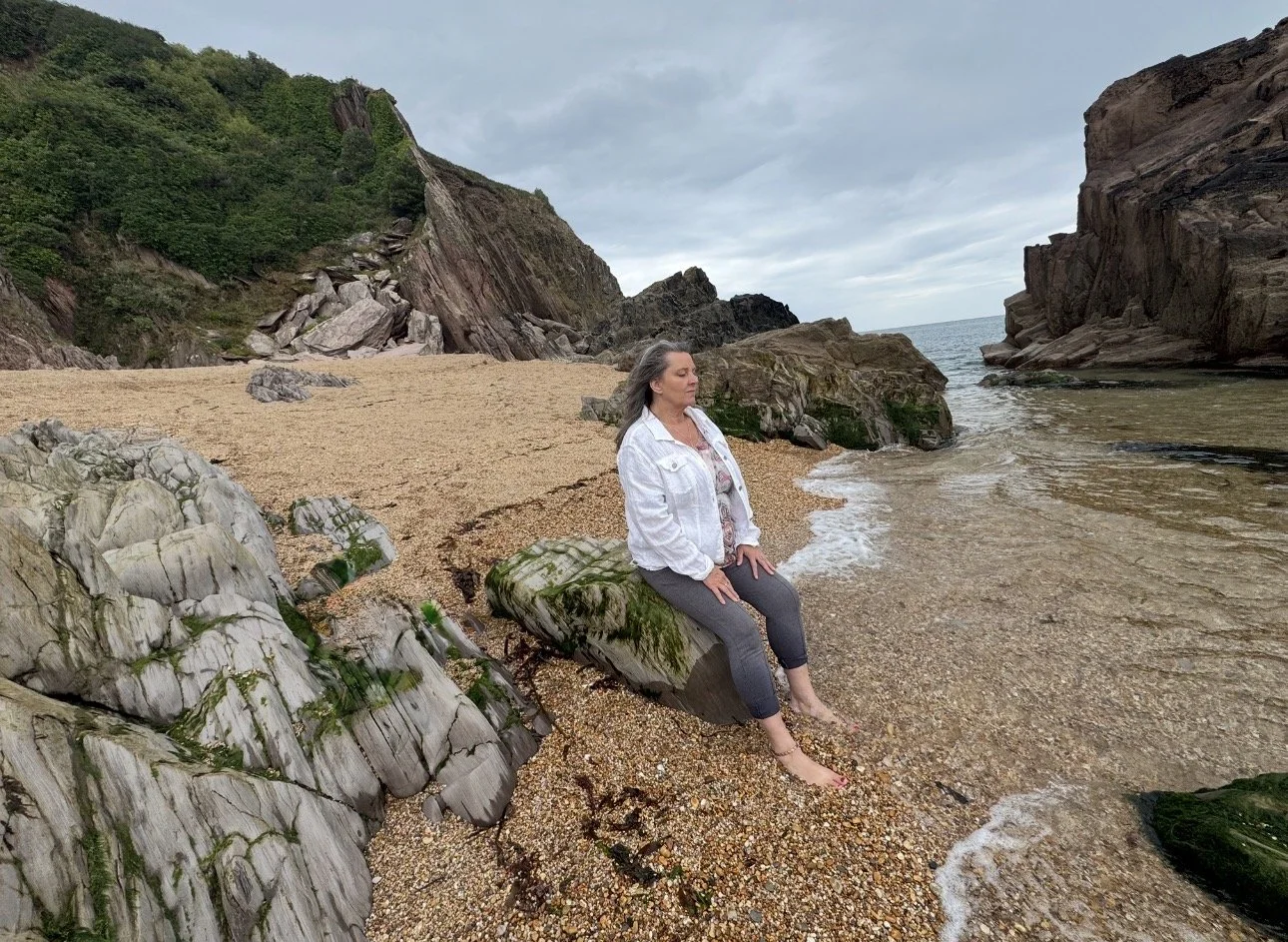
So, you’ve decided to try meditation. First of all: welcome.
Second of all: let’s address the elephant in the room. You’re probably sitting there, eyes closed, trying to focus on your breath, when suddenly your brain starts screaming:
“Did I lock the front door? What did that email from my boss mean? I wonder what my dog thinks my name is. Oh wait, I’m supposed to be meditating. Dang it, I’m already failing at this.”
If this sounds familiar, congratulations—you have a human brain!
There is a massive misconception that meditation is about achieving a state of complete, blank-canvas mental silence. It isn't. Meditation is actually much simpler (and much more forgiving) than that.
What Meditation Actually Is
(And Isn't)
Your 3-Step "Micro-Session" for Day One
Don't worry about buying special cushions or lighting incense (unless you want to!). Let’s start with a simple 3-minute practice you can do right now.
1. Get Comfortable
Sit in a chair with your feet flat on the floor, or sit cushion-style on the ground. Keep your back relatively straight but not rigid. Let your hands rest in your lap. Close your eyes, or simply soften your gaze and look at a spot on the floor a few feet in front of you.
2. Find Your Anchor
Bring your attention to your breathing. You don’t need to change how you’re breathing; just notice it.
Feel the cool air entering your nose.
Feel the rise and fall of your chest or belly.
This physical sensation is your anchor.
3. The "Catch and Release"
Eventually—likely within ten seconds—your mind will wander. This is the most important part of meditation.
The "Catch": Notice that your mind has wandered. (Don't scold yourself! Noticing the distraction is actually a moment of awareness).
The "Release": Gently, without judgment, guide your attention back to your anchor (your breath).
Repeat this loop as many times as necessary. If you have to bring your mind back 50 times in three minutes, you are doing it perfectly.
3 Quick Tips for Absolute Beginners
Start ridiculously small: Aim for just 2 to 5 minutes a day. It is infinitely better to meditate for 3 minutes every day than for 30 minutes once a month.
Anchor it to an existing habit: Meditate right after you brush your teeth in the morning, or right before you check your phone for the first time. This is called "habit stacking."
Use training wheels: Download a free meditation app (like Insight Timer, Headspace, or Waking Up) and try a 3-minute guided meditation. Having a voice gently guide you back when your mind wanders is incredibly helpful.
Give yourself some grace.
You are training a muscle you’ve likely never used before. Be kind to yourself. The storm of your mind won't quiet down overnight, but with just a few minutes a day, you'll find that you are becoming much calmer inside the storm.
Happy breathing!